

Shop Premium Kashmiri Dry Fruits at Kashmir Mart
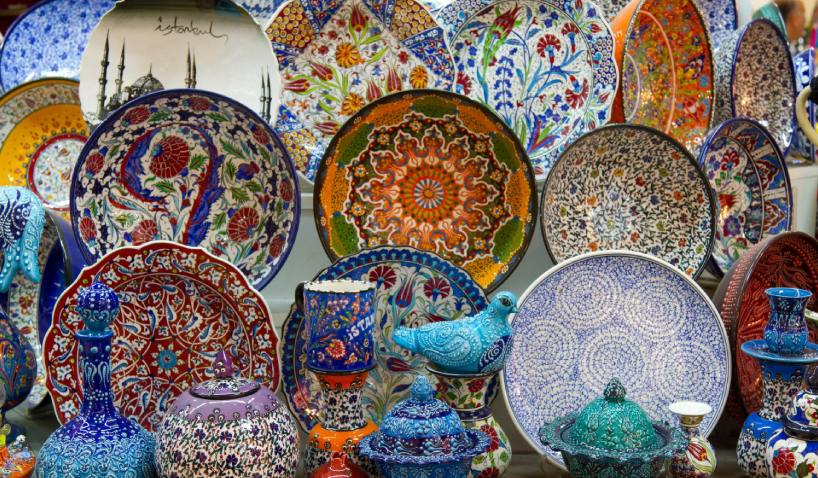
The Rich Legacy of Kashmiri Handicrafts
Kashmiri handlooms and crafts have a long history that is based in centuries of cultural blending. These exquisite crafts have their roots in the unique skills and artistic traditions brought to the region by Persian and Central Asian artisans who migrated there in the 14th century. Kashmir is now known for its unique and intricate handicrafts, which are the product of a fusion of indigenous and foreign skills.
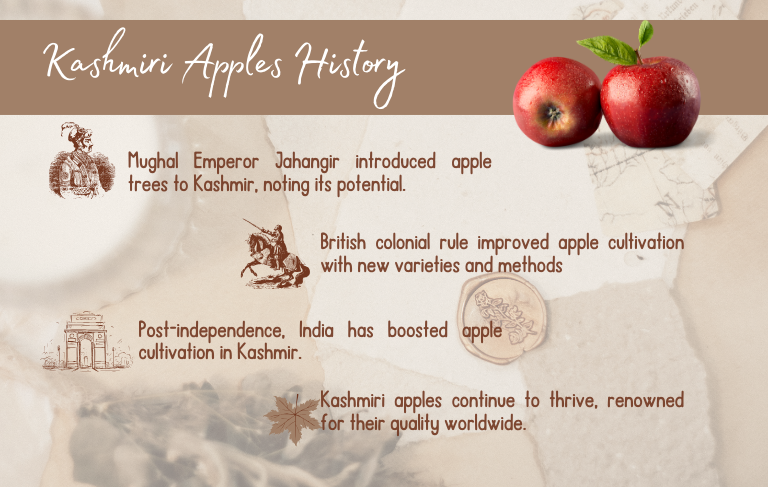
- Persian Influence: Kashmir’s local arts were greatly influenced by Persian artisans who brought exquisite craftsmanship to the region in the fourteenth century.
- Mughal Patronage: Kashmiri crafts were refined and widely known as a result of royal patronage during the Mughal era, especially under Emperor Akbar’s reign.
- Various Crafts: The area gained notoriety for a wide range of crafts, such as hand-knotted carpets, elaborate wood carvings, exquisite papier-mâché objects, and Pashmina shawls.
The Pashmina shawl, renowned for its warmth and softness, is one of the most well-known crafts produced in Kashmir. Goats known as Changthangi, which live in the high-altitude areas of Ladakh, are the source of Pashmina wool. Generation after generation of weavers and hand-spinners guarantee that every shawl is a work of exquisite art. Persian roots can also be found in the art of carpet weaving, another distinctive feature of Kashmiri culture. These hand-knotted carpets feature elaborate patterns that frequently feature paisleys, floral motifs, and geometric patterns. Carpets that combine premium wool or silk with natural dyes are not only gorgeous, but also long-lasting.
French artists invented the technique known as “papier-mâché,” which is making ornamental objects out of pulped paper. These objects are painstakingly painted with vivid hues and elaborate designs, frequently using gold leaf.
Another traditional craft that displays the artists’ ability to create intricate and detailed designs on furniture and decorative items is wood carving, especially on walnut wood.
Beyond merely being works of art, Kashmiri handicrafts bear witness to the region’s rich cultural past and the tenacity of its craftspeople. These crafts are thriving in spite of contemporary obstacles, safeguarding Kashmir’s cultural legacy and creative customs for coming generations.
Another traditional craft that displays the artists’ ability to create intricate and detailed designs on furniture and decorative items is wood carving, especially on walnut wood.
Beyond merely being works of art, Kashmiri handicrafts bear witness to the region’s rich cultural past and the tenacity of its craftspeople. These crafts are thriving in spite of contemporary obstacles, safeguarding Kashmir’s cultural legacy and creative customs for coming generations.
The World-Famous Handicrafts and Handlooms of Kashmir
1: Pashmina Shawls
Origins and History
The art of Pashmina weaving dates back several centuries, with the term “Pashmina” derived from the Persian word “Pashm,” meaning wool. These shawls were highly valued by Mughal emperors and Indian royalty, whose patronage elevated the craft. In the 18th century, Pashmina shawls were introduced to Europe, quickly becoming a symbol of luxury and elegance. One of Kashmir’s most costly and exquisite handicrafts, pashmina shawls are known throughout the world for their exceptional quality, exquisite craftsmanship, and classic elegance. Admired for their comfort, style, and cultural significance, this article explores the history, quality, and authenticity of Pashmina wool, as well as its origins and the crafting process.Source of Pashmina Wool
The journey of a Pashmina shawl begins with the collection of the finest wool from the Changthangi goats, also known as Pashmina goats. These goats are native to the high-altitude regions of the Himalayas, particularly in Ladakh, which is part of the larger Kashmir region. The extreme cold in these areas necessitates a special kind of undercoat, which is incredibly soft and warm. This undercoat is known as Pashm or Cashmere wool.Crafting Process
- Cleaning and Sorting: To get rid of contaminants and dirt, the raw wool is cleaned. Next, it is arranged according to fineness and quality.
- Spinning: A traditional spinning wheel known as a “charkha” is used to hand-spinning the cleaned wool into fine yarn. To keep the yarn strong and fine, this process calls for patience and skill.
- Weaving: On handlooms, the yarn is subsequently woven into fabric. Expert weavers produce elaborate patterns and designs; they frequently pass down their craft through the generations. Depending on the complexity, this stage may take a few weeks or months to complete.
- Dyeing and Embroidery: Natural or synthetic dyes are used to dye the woven shawls. Beautiful embroidery showcasing traditional Kashmiri motifs like paisleys, florals, and geometric patterns can be found on a lot of Pashmina shawls.
Caring for Your Pashmina Shawl:
- Hand Wash Gently: Use mild detergent and lukewarm water.
- Dry Flat: Lay flat to dry to maintain shape.
- Avoid Sunlight: Prevent color fading by keeping away from direct sunlight.
- Store Neatly: Fold or hang on a padded hanger to avoid stretching.
- Avoid Perfumes: Keep away from perfumes to prevent staining.
- Occasional Air Out: Keep it fresh by airing out occasionally.
- Professional Cleaning:For tough stains, consult a professional dry cleaner.
2 : Kashmiri Carpets (Rugs)
Prominent for their exquisite patterns and artistry, Kashmiri carpets have a rich historical heritage shaped by Central Asian and Persian customs. Sultan Zain-ul-Abidin brought Persian carpet makers to Kashmir in the fifteenth century after being impressed by the carpets. This marked the beginning of carpet weaving in the area. The distinctive designs of Kashmiri carpets that we see today are the result of these artisans combining their knowledge with traditional techniques.
Resources
Materials: High-quality wool and silk, sourced locally, are used.
Dyes: Natural dyes from plants, minerals, and insects ensure vibrant colors.Design Creation
On graph paper, patterns with geometric shapes, paisleys, and floral motifs are sketched and translated.Weaving
Loom Setup: A handloom is used to set up warps, or vertical threads.
Knotting: Individual knots are tied by artisans in accordance with the graph pattern.
Insertion of Weft: The knots are held in place by horizontal threads.Finishing
The carpet is trimmed, washed, and polished to enhance its look.
Time and Craftsmanship
- Time Required: Depending on size and complexity, a carpet can take from several months to years to complete.
- Skill: Multiple artisans often work on each carpet, showcasing generations of honed skills.
Caring for Your Carpets:
- Vacuum Gently: Use a brushless suction head to remove dust.
- Blot Spills Immediately: Prevent stains by blotting, not rubbing.
- Rotate Regularly: Ensure even wear by rotating every few months.
- Avoid Sunlight: Keep out of direct sunlight to prevent fading.
- Use Furniture Pads: Prevent fiber crushing with furniture pads.
- Professional Cleaning: Consult experts for tough stains.
- Store Properly: Roll with pile inward, store in a cool, dry place.
- Control Humidity: Maintain balanced humidity to prevent damage.
3: Papier-Mâché
Kashmiri papier-mâché, a celebrated craft, originated in the 15th century under Sultan Zain-ul-Abidin’s reign. Persian and Central Asian artisans, invited to Kashmir, infused their techniques and artistic styles with local traditions, creating a distinctive Kashmiri art form
Crafting Process
- Preparation of Paper Pulp: Soak waste paper in water until it disintegrates, then mix with adhesive to form a pulp.
- Molding: Shape the pulp into items like boxes, trays, and vases.
- Drying and Coating: Dry the items, then coat with glue and gypsum for a smooth surface.
- Painting: Hand-paint with vibrant colors, featuring floral and geometric designs.
- Gold Leaf Decoration: Adorn with gold leaf for a luxurious finish.
Time to Complete
The entire process can take several weeks, depending on the size and complexity of the item.Caring for and Storing Papier-Mâché
- Avoid Moisture: Keep items away from damp environments to prevent damage.
- Dust Regularly: Use a soft, dry cloth to remove dust.
- Handle with Care: Fragile items should be handled gently.
- Store Properly: Place in a dry, cool area, preferably in a protective case to avoid damage.
4: Kashmiri Kani Shawal
Kani shawls, originating in Kashmir, have a rich history dating back over 500 years. These shawls were traditionally woven for royalty and nobility. The craft flourished during the Mughal era, particularly under Emperor Akbar, who was a great admirer of these intricately woven shawls. The term “Kani” refers to the wooden bobbins used in weaving, a technique that has been passed down through generations.
Crafting Process
Resource Source:
Wool: Pashmina wool from the Changthangi goats of the Himalayan region.
Dyes: Natural dyes derived from plants, minerals, and insects.Tools Used:
Kani (Bobbins): Small eyeless wooden sticks used instead of the traditional shuttle.
Loom: A traditional handloom for weaving the shawls.
Graph Paper: Design patterns are drawn on graph paper, which guides the weavers.Weaving Process:
Design Preparation: Intricate designs are created on graph paper.
Setting the Loom: The warp is set up on the loom.
Weaving: Using the kani bobbins, weavers follow the pattern meticulously.
Time to Complete
A single Kani shawl takes a long time to make; it can take anywhere from six months to a year, depending on the weaver’s skill and the complexity of the design.Care and Storage
- Avoid Moisture: Store in a dry place to prevent mold and mildew.
- Regular Cleaning: Dry clean only to maintain the shawl’s texture and colors.
- Proper Storage: Fold and store in a muslin cloth to allow the fabric to breathe and prevent any damage from humidity.
- Avoid Direct Sunlight : Prolonged exposure can fade the colors.
- Moth Protection: Use cedar blocks or lavender sachets to protect against moths.
Fact about Kashmiri Apples
- Premium Quality: Kashmiri apples are known for their premium quality and taste.
- Geographical Indication (GI) Tag: They have a GI tag, signifying their unique origin and quality.
- Varieties: Kashmir produces varieties like Red Delicious, Golden Delicious, and Granny Smith.
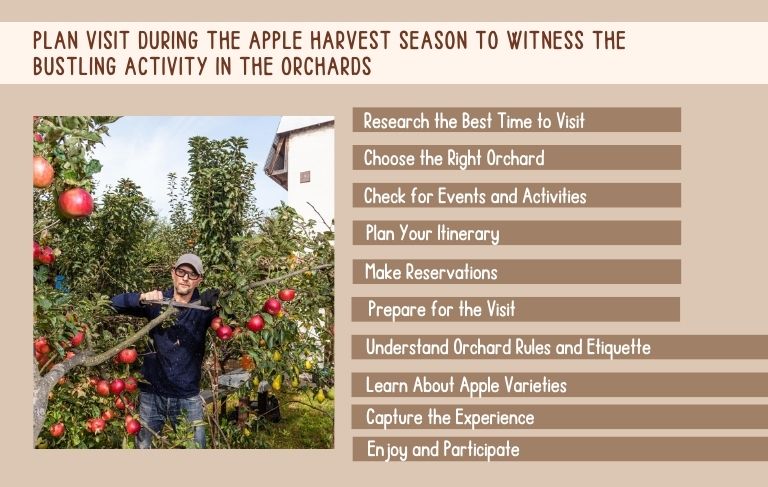
- Harvest Season: Harvest season is from late August to October.
- High Altitude Cultivation: Grown at altitudes of 1,500 to 2,500 meters above sea level.
- Export: Kashmiri apples are exported to various countries for their quality.
- Economic Importance: They are a major source of income for Kashmiri farmers.
- Cultural Symbol: Kashmiri apples are a cultural symbol and part of local cuisine.
Ethnic/Cultural Information about Kashmiri Apples:
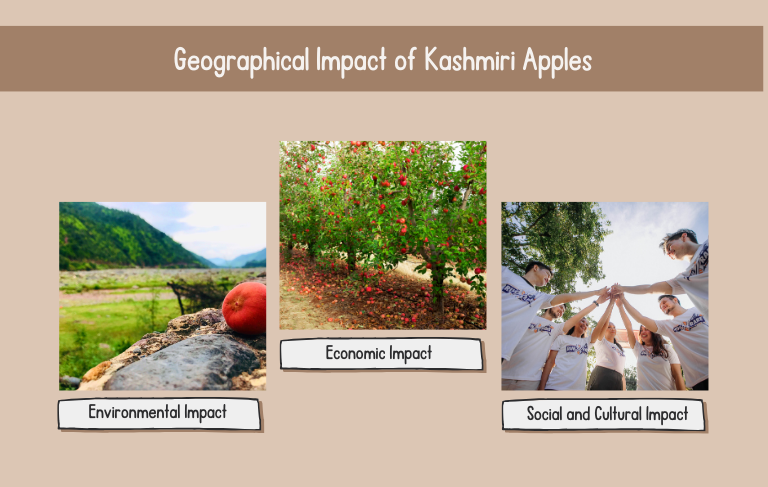
Traditional Symbolism:The region’s cultural heritage and agricultural traditions are showcased through local festivals and fairs held to commemorate the start of harvest.
Culinary Importance: Kashmiri cuisine incorporates apples into various dishes, both savory and sweet. Apples are used in traditional dishes like ‘Kashmiri apple curry’ (Seb ki Sabzi), desserts, and even in savory rice preparations.
Festivals and Celebrations: The apple harvest season is celebrated with enthusiasm in Kashmir. Local festivals and fairs are organized to mark the beginning of the harvest, showcasing the region’s cultural heritage and agricultural traditions.
Customized Methods: The cultivation of apples in Kashmir frequently adheres to customary agricultural methods that have been transmitted across successive generations. These customs are a reflection of the respect for nature and the cultural ties to the land.
Economic Livelihood: Growing apples is not only a profitable endeavor but also intricately woven into Kashmiri culture. Apple orchards are a major source of income for many families, and the community as a whole benefits from a successful apple harvest.
Art and Craft: Kashmiri artisans and craftsmen are inspired by apples. Apples are a significant cultural fruit, as evidenced by the motifs and designs found on a variety of handicrafts, including papier-mâché, carpets, shawls, and pottery.
Songs and Poetry: The beauty of the orchards and the joy of harvest season are often depicted in Kashmiri folk songs and poetry, which frequently mention apples. In Kashmiri literature, they are romanticized as representations of abundance and love.
Hospitality :Serving apples to visitors is a customary act of hospitality in Kashmiri culture. It exudes kindness and generosity toward guests.
Use in Traditional Medicine: Apples are thought to offer a number of health advantages in traditional Kashmiri medicine. Because of their nutritional qualities, they are utilized in herbal remedies and tonics.
Culinary Importance: Kashmiri cuisine incorporates apples into various dishes, both savory and sweet. Apples are used in traditional dishes like ‘Kashmiri apple curry’ (Seb ki Sabzi), desserts, and even in savory rice preparations.
Festivals and Celebrations: The apple harvest season is celebrated with enthusiasm in Kashmir. Local festivals and fairs are organized to mark the beginning of the harvest, showcasing the region’s cultural heritage and agricultural traditions.
Customized Methods: The cultivation of apples in Kashmir frequently adheres to customary agricultural methods that have been transmitted across successive generations. These customs are a reflection of the respect for nature and the cultural ties to the land.
Economic Livelihood: Growing apples is not only a profitable endeavor but also intricately woven into Kashmiri culture. Apple orchards are a major source of income for many families, and the community as a whole benefits from a successful apple harvest.
Art and Craft: Kashmiri artisans and craftsmen are inspired by apples. Apples are a significant cultural fruit, as evidenced by the motifs and designs found on a variety of handicrafts, including papier-mâché, carpets, shawls, and pottery.
Songs and Poetry: The beauty of the orchards and the joy of harvest season are often depicted in Kashmiri folk songs and poetry, which frequently mention apples. In Kashmiri literature, they are romanticized as representations of abundance and love.
Hospitality :Serving apples to visitors is a customary act of hospitality in Kashmiri culture. It exudes kindness and generosity toward guests.
Use in Traditional Medicine: Apples are thought to offer a number of health advantages in traditional Kashmiri medicine. Because of their nutritional qualities, they are utilized in herbal remedies and tonics.
Traditional Kashmiri Apple Recipes :
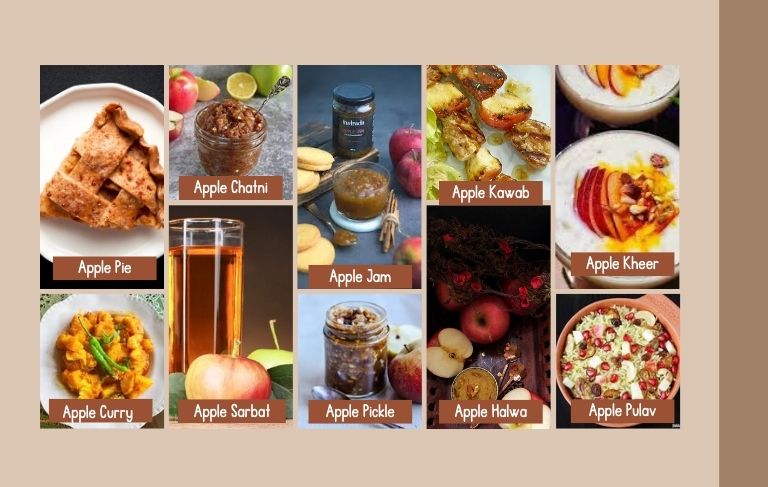
Kashmiri people use apples in various recipes, both savory and sweet, incorporating them into their traditional cuisine. Here are some ways Kashmiri people make recipes with apples:
Kashmiri Apple Curry : Kashmiri Apple Curry, also known as Seb ki Sabzi, is a traditional savory dish made with apples and aromatic spices such as ginger, turmeric, and fennel seeds. It is a tart and sweet curry that goes well with bread or rice.
Apple Chutney: To make a tart and sweet chutney, apples are cooked with sugar, vinegar, and spices. It goes well as a condiment with savory snacks or with rice dishes and Kashmiri bread.
Apple Halwa: To make a delectable halwa (pudding), grated apples are cooked with sugar, cardamom, and ghee (clarified butter) until thickened. It is frequently served as a dessert and garnished with nuts.
Stuffed Apples (Seb ki Meethi Korma): Apples are hollowed out and filled with a mixture of dry fruits, sugar, spices, and khoya (reduced milk) for Seb ki Meethi Korma. After that, they are simmered in a flavorful gravy that contains yogurt, cream, and spices.
Apple Pulao: Rice cooked with raisins, nuts, and cardamom, cinnamon, and cloves, among other aromatic spices. This aromatic, mildly sweet rice dish is frequently served during festivals and other special events.
Apple Pickle: Vinegar or lemon juice is used to marinate sliced apples with spices such as chili powder, fenugreek, turmeric, and mustard seeds. After that, the pickle is allowed to mature and get spicy and tangy.
Apple Kebabs : Minced apples are mixed with spices, herbs, and binding agents like gram flour, shaped into kebabs, and shallow-fried. It’s a unique and flavorful appetizer.
Apple Walnut Salad: Sliced apples are combined with walnuts, raisins, and sometimes pomegranate seeds, dressed with honey, lemon juice, and a hint of cinnamon. It’s a refreshing and nutritious salad.
Apple Sharbat: A refreshing drink made by blending apples with water, sugar, and a hint of lime juice. It’s served chilled and is a popular summer beverage in Kashmir.
Apple Pie: While not traditionally Kashmiri, apple pie has also found its way into Kashmiri kitchens, especially in urban areas. It’s made with a pastry crust filled with sliced apples, sugar, and spices, often served with cream or ice cream.
Kashmiri Apple Curry : Kashmiri Apple Curry, also known as Seb ki Sabzi, is a traditional savory dish made with apples and aromatic spices such as ginger, turmeric, and fennel seeds. It is a tart and sweet curry that goes well with bread or rice.
Apple Chutney: To make a tart and sweet chutney, apples are cooked with sugar, vinegar, and spices. It goes well as a condiment with savory snacks or with rice dishes and Kashmiri bread.
Apple Halwa: To make a delectable halwa (pudding), grated apples are cooked with sugar, cardamom, and ghee (clarified butter) until thickened. It is frequently served as a dessert and garnished with nuts.
Stuffed Apples (Seb ki Meethi Korma): Apples are hollowed out and filled with a mixture of dry fruits, sugar, spices, and khoya (reduced milk) for Seb ki Meethi Korma. After that, they are simmered in a flavorful gravy that contains yogurt, cream, and spices.
Apple Pulao: Rice cooked with raisins, nuts, and cardamom, cinnamon, and cloves, among other aromatic spices. This aromatic, mildly sweet rice dish is frequently served during festivals and other special events.
Apple Pickle: Vinegar or lemon juice is used to marinate sliced apples with spices such as chili powder, fenugreek, turmeric, and mustard seeds. After that, the pickle is allowed to mature and get spicy and tangy.
Apple Kebabs : Minced apples are mixed with spices, herbs, and binding agents like gram flour, shaped into kebabs, and shallow-fried. It’s a unique and flavorful appetizer.
Apple Walnut Salad: Sliced apples are combined with walnuts, raisins, and sometimes pomegranate seeds, dressed with honey, lemon juice, and a hint of cinnamon. It’s a refreshing and nutritious salad.
Apple Sharbat: A refreshing drink made by blending apples with water, sugar, and a hint of lime juice. It’s served chilled and is a popular summer beverage in Kashmir.
Apple Pie: While not traditionally Kashmiri, apple pie has also found its way into Kashmiri kitchens, especially in urban areas. It’s made with a pastry crust filled with sliced apples, sugar, and spices, often served with cream or ice cream.
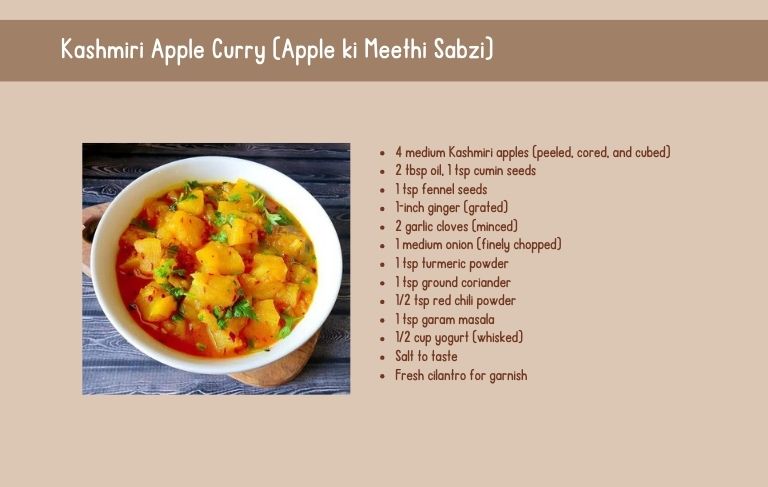
Kashmiri Apple Curry (Seb Ki Sabzi) Recipe
Ingredients:
- 4 medium Kashmiri apples (peeled, cored, and cubed)
- 2 tbsp oil, 1 tsp cumin seeds
- 1 tsp fennel seeds
- 1-inch ginger (grated)
- 2 garlic cloves (minced)
- 1 medium onion (finely chopped)
- 1 tsp turmeric powder
- 1 tsp ground coriander
- 1/2 tsp red chili powder
- 1 tsp garam masala
- 1/2 cup yogurt (whisked)
- Salt to taste
- Fresh cilantro for garnish
Instructions:
- Sauté Apples:
Heat 1 tbsp oil in a pan.
Sauté apple cubes until golden brown. Remove and set aside. - Prepare Base:
In the same pan, heat 1 tbsp oil.
Add cumin and fennel seeds, let splutter.
Add onion, sauté until golden.
Add ginger and garlic, sauté for 1-2 minutes. - Add Spices:
Add turmeric, ground coriander, and red chili powder. Sauté briefly. - Incorporate Yogurt:
Gradually add whisked yogurt, stir continuously until well blended. - Combine and Simmer:
Add sautéed apples and salt.
Cover and simmer on low heat for 10-15 minutes until apples are tender. - Finish:
Sprinkle garam masala, mix gently.
Garnish with fresh cilantro. - Serve:
Serve hot with steamed rice or bread.
Nutritional Value of Kashmiri Apples:
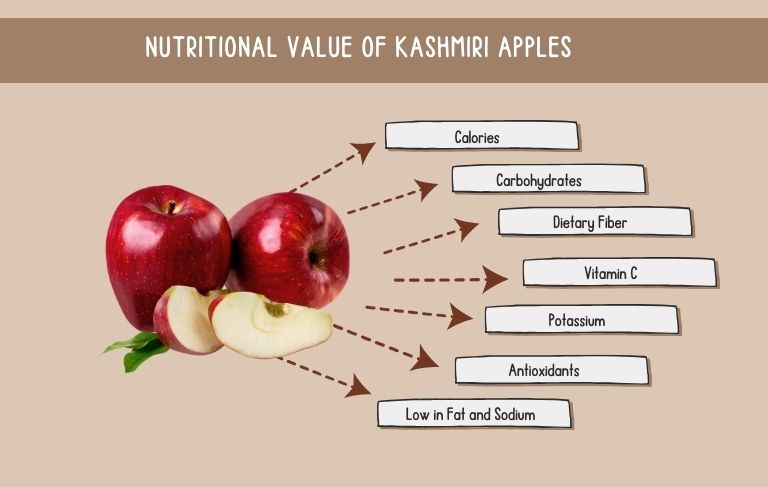
- Calories: A medium-sized Kashmiri apple (about 182 grams) contains approximately 95 calories.
- Carbohydrates: One Kashmiri apple provides around 25 grams of carbohydrates, mainly in the form of natural sugars like fructose and glucose.
- Dietary Fiber: Kashmiri apples are a good source of dietary fiber, with about 4 grams per medium-sized apple, aiding in digestion and promoting gut health.
- Vitamin C: They are rich in vitamin C, with one apple providing about 14% of the daily recommended intake. Vitamin C is essential for immune function and skin health.
- Potassium: Kashmiri apples contain potassium, an important mineral for heart health and maintaining healthy blood pressure levels.
- Antioxidants: Apples are rich in antioxidants like flavonoids and polyphenols, which help in reducing inflammation and protecting cells from oxidative damage.
- Low in Fat and Sodium: Kashmiri apples are naturally low in fat and sodium, making them a healthy snack option.
Market Insights for Kashmiri Apples
Domestic Market:
- High Demand: Popular across India, especially in metropolitan cities.
- Local Consumption: Significant consumption within Jammu and Kashmir.
- Distribution Channels: Sold through local markets, wholesale dealers, retail chains, and e-commerce platforms.
- Price Variability: Prices vary based on quality, variety, and season.
International Market:
- Key Export Destinations: UAE, Saudi Arabia, Bangladesh, Nepal, Sri Lanka, and parts of Europe.
- Export Trends: Steady increase in export volume, especially during festive seasons like Ramadan.
- Quality Standards: High demand for premium quality apples with specific size, color, and taste.
- Market Challenges: Stringent quality checks, logistics, competition from other countries, political instability, and weather conditions.
Key Points:
- Growth in Export Volume: Notable increase in exports over the past decade.
- Market Share: Significant presence in South Asian and Middle Eastern markets.
- Economic Impact: Major contributor to Jammu and Kashmir’s economy, providing livelihoods to many.
- Government Initiatives: Subsidies for cold storage, improved transportation infrastructure, and promotion at international trade fairs.