

Kashmiri Saffron Export Guide for International Buyers
The Spice That Built Empires — Why Kashmiri Saffron Still Rules the World
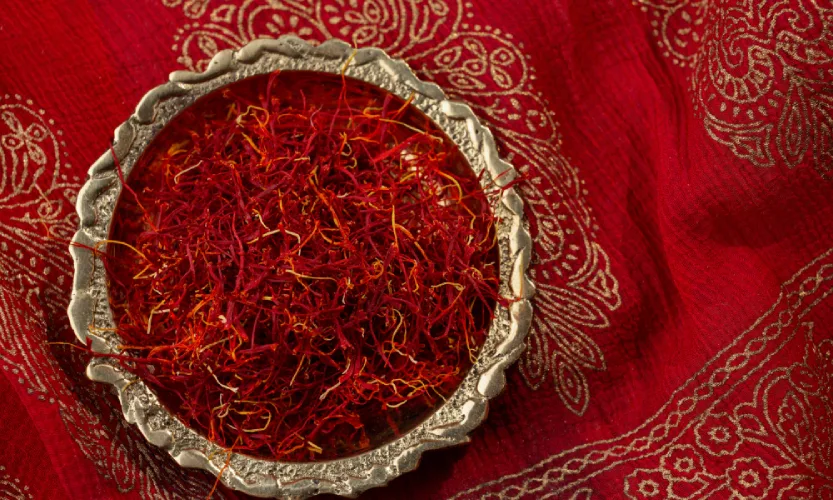
Think about the last time you opened a tin of saffron. That earthy, honey-like smell that fills the room instantly — there is nothing quite like it in the world of spices. Now imagine that same experience, but deeper, richer, and more intense. That is what authentic Kashmiri saffron feels like. And if you are an international buyer searching for the world’s finest saffron, you already know that not all saffron is equal.
Every year, buyers from the United States, the United Kingdom, UAE, Germany, Singapore, and Australia reach out to suppliers in India asking one question — “How do I know if my saffron is genuinely from Kashmir?” It is a fair question, and it deserves a detailed, honest answer. This guide is written exactly for you.
At KashmirMart, we source saffron directly from farmers in the Pampore region of Kashmir — the very land that has been cultivating this spice for over three thousand years. This guide will walk you through everything: quality grades, certifications, the saffron export process from India, pricing, and how to avoid buying fake saffron. By the time you finish reading, you will know exactly what to ask for and what to look out for.
Why Kashmiri Saffron Is Genuinely Different From the Rest
There are four major saffron-producing countries in the world — Iran, Spain, Afghanistan, and India. Iran dominates the global market in terms of volume. But when it comes to quality, Kashmir saffron holds a position no other country can claim. The reason is not marketing. It is science.
The Crocus sativus flower grown in the Karewa (high-altitude plateau) soil of Kashmir produces threads with significantly higher levels of three key compounds. Crocin gives saffron its golden-yellow color. Safranal gives it that signature aroma. Picrocrocin gives it that slightly bitter taste that makes it irreplaceable in cooking. Kashmiri saffron scores higher on all three compared to any other variety — and this has been validated by international laboratory tests.
The climate in Kashmir — cold winters, dry summers, and rich volcanic soil — creates the ideal growing conditions that simply cannot be replicated elsewhere. This is the same reason Pampore saffron received a Geographical Indication (GI) tag from the Government of India in 2020, making it one of the most protected and certified agricultural products in the country.
Real saffron does not just color your food. It transforms the entire experience of eating it.
Understanding Kashmiri Saffron Grades — What Are You Actually Buying?
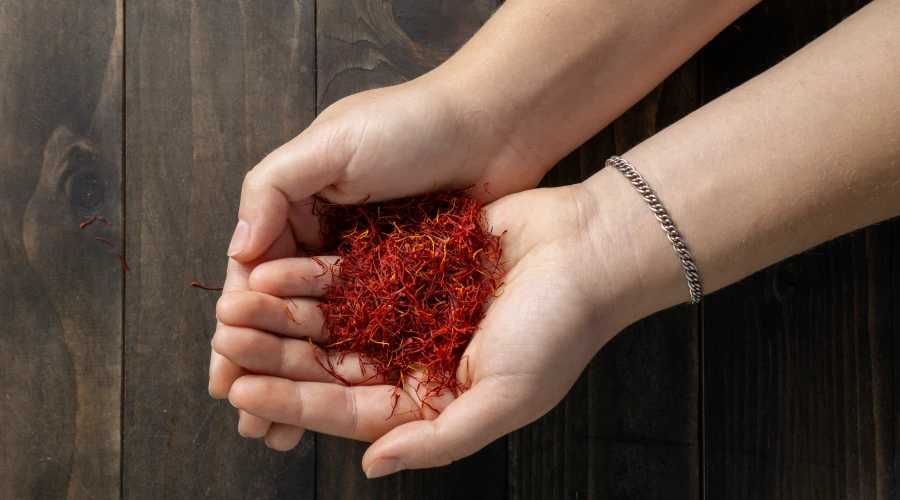
Before you place any order, you need to understand that Kashmiri saffron grading matters enormously. Two products can both be called “Kashmiri saffron” but differ vastly in quality and potency. Here is how the grades break down:
- Mongra (Lacha) — Premium Grade: Only the pure deep-red stigmas are used. No yellow or orange parts. This is the most potent and most expensive form. Preferred by food manufacturers, pharmaceutical companies, and premium retailers.
- Zarda — Standard Grade: Includes both the red stigmas and the yellow style. Slightly lower potency but still high quality. A good middle-ground option for culinary use at a lower price point.
- Guchhi — Whole Thread Form: Complete intact saffron threads bundled naturally. Visually impressive and popular in gift packaging. Quality is comparable to Mongra when sourced correctly.
For bulk saffron import, Mongra grade is the most traded internationally because of its superior color, aroma, and medicinal value. If you are supplying to a food brand or a nutraceutical company, Mongra should always be your first choice.
The Certifications You Must Ask For Before Buying Kashmiri Saffron
One of the most important lessons for any first-time buyer is this: genuine certified saffron from Kashmir comes with paperwork. If a supplier hesitates when you ask for certifications, that is your first warning sign. Here are the documents you should always request:
- GI Tag Certificate — Confirms the saffron originates from the Pampore region of Kashmir. This is the most important document for authenticity.
- ISO 3632 Lab Report — The international grading standard for saffron quality. It measures crocin, safranal, and picrocrocin levels. Always check these numbers.
- FSSAI Certification — India’s food safety authority compliance certificate. Mandatory for all food products exported from India.
- Spices Board India Certificate — Issued by the regulatory body overseeing all spice exports. Confirms the exporter is registered and compliant.
- Phytosanitary Certificate — Required by most countries to confirm the product is free from pests and disease.
- Organic Certification — If your target market demands organic-labeled products, ensure your supplier holds a valid organic certification.
At KashmirMart, we provide all of these documents with every international shipment. There is never a reason for a genuine supplier to say no to certification requests.
Step-by-Step: How the Saffron Export Process From India Works
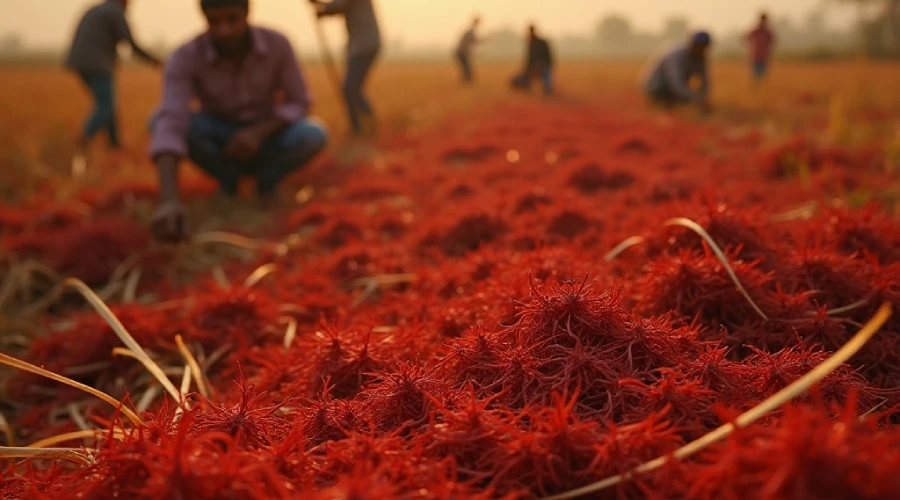
If you are new to importing saffron from India, the process can feel overwhelming at first. But it is straightforward once you understand the steps. Here is a clear breakdown:
Step 1 — Find a Registered Exporter
Always verify that your supplier holds a valid RCMC (Registration cum Membership Certificate) from Spices Board India. This is non-negotiable. A registered exporter is accountable and traceable.
Step 2 — Request a Sample and Lab Report
Before committing to any quantity, ask for a 2–5 gram sample along with its ISO 3632 lab test. Compare the crocin levels. A Grade 1 saffron should show crocin above 200 absorbance units. If the supplier refuses to share a lab report, walk away.
Step 3 — Agree on Pricing, Grade, and Packaging
The Kashmiri saffron price per kg varies by grade, season, and quantity. Premium Mongra grade is naturally higher in price. Packaging should always be vacuum-sealed, airtight, and light-proof to preserve quality during transit.
Step 4 — Export Documentation
Key documents include the Commercial Invoice, Packing List, Certificate of Origin, GI Certificate, Phytosanitary Certificate, FSSAI certificate, and Air Waybill. Your supplier should prepare all of these.
Step 5 — Customs Clearance in Your Country
The HS Code for saffron is 09102000. Check with your local customs authority for applicable import duties and any country-specific restrictions on spice imports before placing your order.
How Much Should You Expect to Pay? A Realistic Kashmiri Saffron Pricing Guide
Let us address the topic that every buyer eventually asks about — price. Genuine Kashmiri saffron is expensive, and that is not a drawback. It is a quality signal. If someone is selling Kashmiri saffron at the same price as Iranian saffron, something is wrong.
Pricing fluctuates based on the annual harvest yield. Kashmir produces a limited quantity each year — typically 6–12 metric tons. This is a fraction of global supply, which makes it inherently premium-priced. When you factor in the stronger pigment and aroma intensity, you are actually getting better value per gram than cheaper alternatives.
For wholesale buyers placing orders above 500 grams, per-gram pricing improves significantly. Trial orders starting from 100 grams are available for buyers who want to test quality before scaling. Connect with the KashmirMart export team at kashmirmart.com for a current price sheet.
The Top Countries Importing Kashmiri Saffron — And Why Demand Is Rising
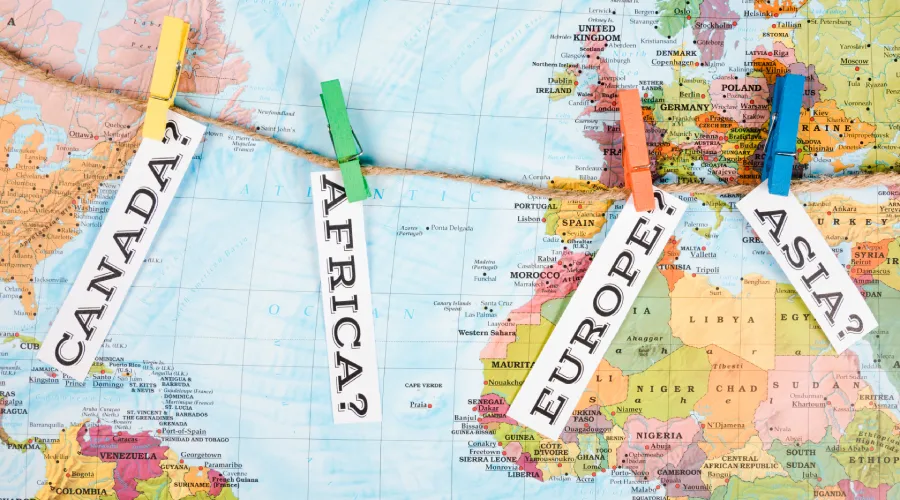
The global demand for Kashmiri kesar is driven by a combination of diaspora communities and growing wellness trends. The United States leads in volume, followed closely by the UAE, the UK, Canada, and Australia. These markets have large South Asian and Middle Eastern communities who are already familiar with and loyal to genuine Kashmiri saffron.
In Europe, Germany, France, and the Netherlands are emerging as strong markets, primarily driven by the nutraceutical and food processing industries. Saffron is increasingly being researched for its use in managing mood disorders, improving cognitive health, and supporting eye health — all of which are opening new B2B buyer categories beyond food.
The Southeast Asian wellness market — particularly Singapore, Malaysia, and Japan — is also showing rapid growth in premium spice imports from India. Buyers in these markets are quality-first and are willing to pay for verified authenticity.
Common Mistakes International Buyers Make — And How to Avoid Them
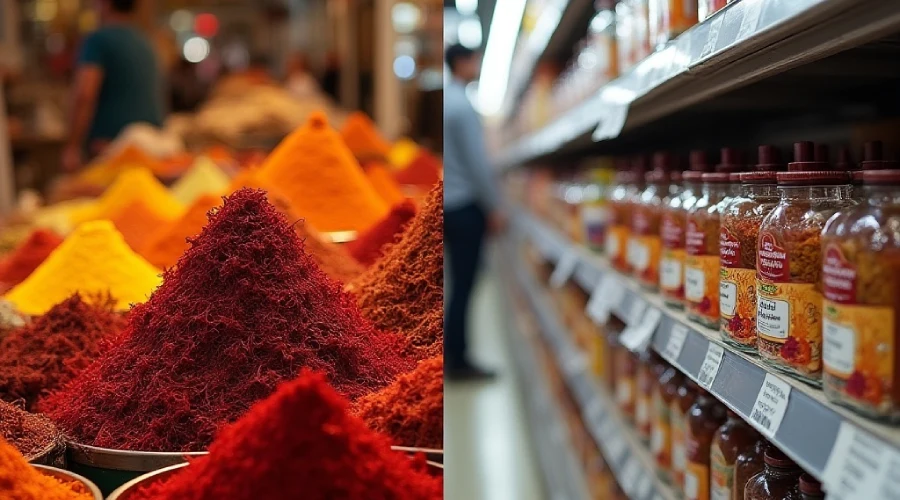
After years of working in the saffron trade, here are the most common and costly mistakes that new international buyers make. Knowing these in advance can save you significant money and frustration.
- Buying based on price alone: If the price seems too low, it is. Heavily discounted ‘Kashmiri saffron’ is almost always either mixed with cheaper Iranian or Afghani saffron, or entirely artificial. Never compromise on price when buying saffron.
- Not verifying the GI tag: Since 2020, genuine Kashmiri saffron must come with a GI certificate. Skipping this step is the single biggest mistake buyers make.
- Skipping the ISO lab report: Without this, you have no objective way to measure quality. Always insist on seeing crocin, safranal, and picrocrocin levels before finalizing any deal.
- Ordering large quantities without a trial sample: Always order a small sample first and test it personally or through a lab before placing a commercial-scale order.
- Ignoring packaging quality: Saffron degrades when exposed to light, air, and moisture. Always confirm that your supplier ships in vacuum-sealed, airtight, and opaque packaging.
Why Building a Long-Term Relationship With Your Kashmiri Saffron Supplier Matters
One of the most underrated aspects of sourcing premium spices is the value of long-term supplier relationships. The saffron harvest season in Kashmir runs from mid-October to November. Fresh crop availability is limited. Buyers who have established trust with their suppliers over time get priority access to the best grades, better pricing, and more flexible terms.
At KashmirMart, several of our international clients started with a 100-gram trial order and are today purchasing several kilograms per season. That journey is built on consistent quality, transparent documentation, and honest communication — season after season.
The best investment a spice buyer can make is finding one honest source and staying with them.
How to Place Your International Kashmiri Saffron Order With KashmirMart
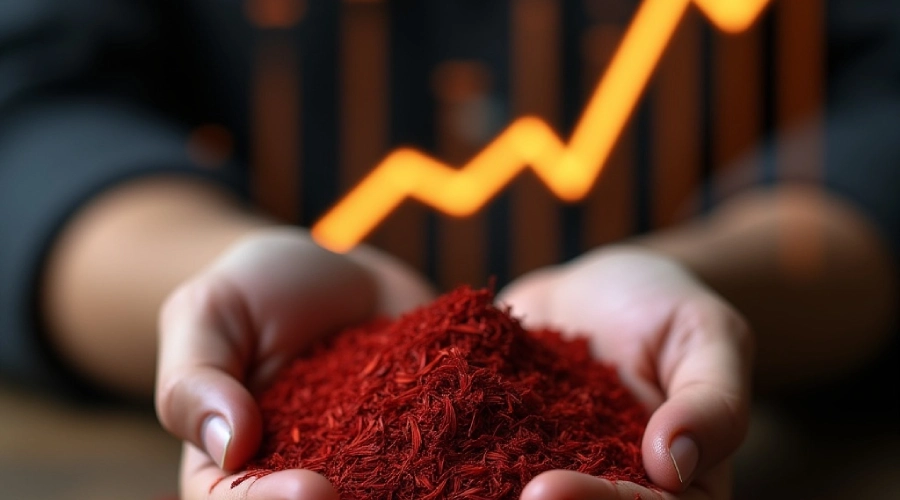
Getting started with KashmirMart is straightforward. Here is how international buyers can begin:
- Visit kashmirmart.com and browse the saffron product listings
- Contact our export team with your grade preference, quantity, and destination country
- Receive a sample package with the full lab and GI documentation
- Confirm your order and receive a commercial invoice
- We manage all export documentation and coordinate air freight dispatch
- Your order is shipped with full tracking and vacuum-sealed packaging to preserve freshness
We ship to the United States, Canada, the UK, UAE, Australia, Singapore, and over 40 other countries. Every order comes with complete documentation to support customs clearance without delays.
Final Thoughts: Buy Smart, Buy Genuine
The Kashmiri saffron market is growing, and so is the competition for the best quality. Whether you are sourcing for a food brand, a wellness product line, a pharmaceutical application, or a retail store, the principles remain the same — verify the origin, check the certifications, test before you scale, and choose a supplier who values transparency as much as you do.
Kashmiri saffron is not just a spice. It is the result of generations of farming knowledge, a specific geography that cannot be copied, and a product that genuinely performs better than any alternative. When you buy pure saffron from Kashmir, you are not just purchasing an ingredient. You are bringing something irreplaceable to your customers or your table.
KashmirMart is here to make that experience seamless, verified, and reliable for every international buyer. We believe the world deserves to experience real Kashmiri saffron — and we are committed to delivering exactly that.
Ready to source genuine Kashmiri saffron Visit www.kashmirmart.com and connect with our export team today.