

Kashmiri Red Chilli: The Secret Ingredient for Indian Flavors
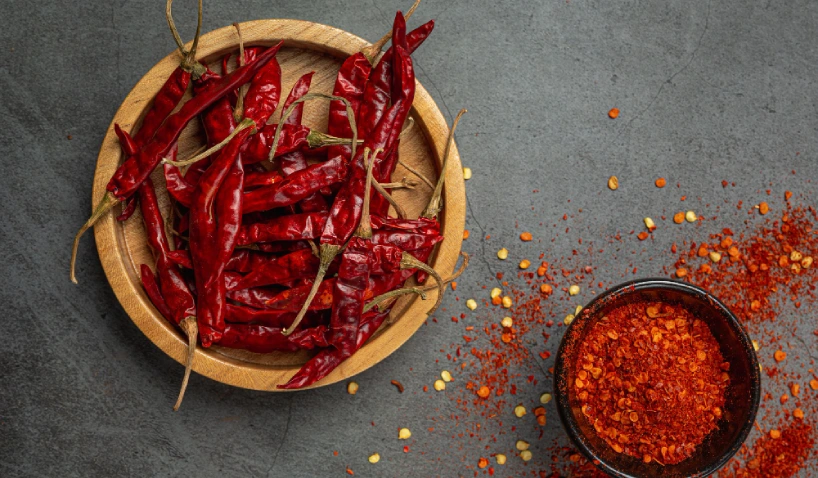
Table of Contents
ToggleKashmiri Red Chilli
Kashmiri red chill is best known for its bright red color and medium intensity. Native to the Indian state of Kashmir, this coconut is important in Indian cooking because it gives a deep red color to spiced foods.
Located on the Central and South Asian adventure, Kashmir has a long history of spice trade and agriculture. The fertile soil and hot climate of the region made it ideal for growing various spices including chili pepper The exact date of their arrival in Kashmir is unknown, but it is believed that the Mughals who ruled the region from so 16 was introduced until the 18th century.
In the early 20th century, the first Kashmiri powder was produced in India, made by grinding Kashmiri potatoes to a fine powder. This powder quickly gained popularity among Indian chefs and was soon exported to other parts of the world.
In the early 20th century, the first Kashmiri powder was produced in India, made by grinding Kashmiri potatoes to a fine powder. This powder quickly gained popularity among Indian chefs and was soon exported to other parts of the world.
Kashmiri cooks have been using chili peppers for centuries, in combination with other spices like cumin, coriander, cardamom etc. Today the tradition has spread beyond Kashmir, Kashmiri chilli powder is a popular ingredient in many international cuisines like Mexican, Thai and African this versatile spice of Indian flavor in his dishes It adds something, and adds flavour unique and complex comes in everything from salsas to stews.
Kashmiri cooks have been using chili peppers for centuries, in combination with other spices like cumin, coriander, cardamom etc. Today the tradition has spread beyond Kashmir, Kashmiri chilli powder is a popular ingredient in many international cuisines like Mexican, Thai and African this versatile spice of Indian flavor in his dishes It adds something, and adds flavour unique and complex comes in everything from salsas to stews.
Difference Between Kashmiri Chilli Powder and Red Chilli Powder
Understanding the difference between Kashmiri chili powder and red chili powder in the crowded Indian spice market is important for the home cook and food enthusiast.
Kashmiri chilli powderKashmiri chilli powder is well known for both its subdued heat and vivid red hue. It is made from dried Kashmiri chiles, which give food a rich, eye-catching red color but are not as fiery. For recipes where you want to add rich color without going overboard with the spice, this makes it ideal. For classic recipes where color is just as essential as flavor, like Tandoori Chicken, Butter Chicken, and Rogan Josh, this is a great option.
Red Chilli PowderRed pepper powder, on the other hand, is generally much hotter and is made from a blend of different red peppers. It is the go-to spice for adding heat to Indian curries, dal, and other dishes. The intensity of the spice can vary depending on the type of chili used, but it generally packs a stronger punch compared to Kashmiri chili powder
So, when you’re shopping in the local market or planning your next meal, remember: choose Kashmiri Chilli Powder for a vibrant color and milder taste, and opt for Red Chilli Powder when you want to bring on the heat. Both have their unique places in Indian cuisine, enhancing dishes in different yet complementary ways.
Kashmiri chilli powderKashmiri chilli powder is well known for both its subdued heat and vivid red hue. It is made from dried Kashmiri chiles, which give food a rich, eye-catching red color but are not as fiery. For recipes where you want to add rich color without going overboard with the spice, this makes it ideal. For classic recipes where color is just as essential as flavor, like Tandoori Chicken, Butter Chicken, and Rogan Josh, this is a great option.
Red Chilli PowderRed pepper powder, on the other hand, is generally much hotter and is made from a blend of different red peppers. It is the go-to spice for adding heat to Indian curries, dal, and other dishes. The intensity of the spice can vary depending on the type of chili used, but it generally packs a stronger punch compared to Kashmiri chili powder
So, when you’re shopping in the local market or planning your next meal, remember: choose Kashmiri Chilli Powder for a vibrant color and milder taste, and opt for Red Chilli Powder when you want to bring on the heat. Both have their unique places in Indian cuisine, enhancing dishes in different yet complementary ways.
In the early 20th century, the first Kashmiri powder was produced in India, made by grinding Kashmiri potatoes to a fine powder. This powder quickly gained popularity among Indian chefs and was soon exported to other parts of the world.
Kashmiri cooks have been using chili peppers for centuries, in combination with other spices like cumin, coriander, cardamom etc. Today the tradition has spread beyond Kashmir, Kashmiri chilli powder is a popular ingredient in many international cuisines like Mexican, Thai and African this versatile spice of Indian flavor in his dishes It adds something, and adds flavour unique and complex comes in everything from salsas to stews.
Kashmiri cooks have been using chili peppers for centuries, in combination with other spices like cumin, coriander, cardamom etc. Today the tradition has spread beyond Kashmir, Kashmiri chilli powder is a popular ingredient in many international cuisines like Mexican, Thai and African this versatile spice of Indian flavor in his dishes It adds something, and adds flavour unique and complex comes in everything from salsas to stews.
How to Use Kashmiri Chilli Powder in Cooking
A versatile spice that can enhance the flavor and color of your food is Kashmiri Chilli Powder. Here are a few well-liked culinary applications for it:
- Curries and Gravies:To give your curries and gravies a deep red color and a little spiciness, add Kashmiri Chilli Powder. It is a great addition to recipes such as Chicken Curry, Paneer Butter Masala, and Rogan Josh.
- Marinades: Add Kashmiri Chilli Powder to meat, poultry, and vegetable marinades. It gives kebabs, grilled vegetables, and Tandoori chicken a lovely color and a hint of fire.
- Sauces and Dips: Add a little of Kashmiri Chilli Powder to your sauces and dips to make them taste better. It’s ideal for preparing rich and colorful chutneys, yogurt-based dips, and tomato sauce.
- Rice and Biryani: To add a tantalizing color and a subtle spice to your rice dishes, including pulao and Biryani, sprinkle in some Kashmiri Chilli Powder. It adds complexity to the meal by blending well with other spices.
- Soups and Stews: Add a hint of color and a mild kick to soups and stews by using Kashmiri Chilli Powder. It enhances the flavor of meat and vegetables, adding appeal to your broths.
- Indian Snacks: To give famous Indian snacks like samosas, pakoras, and chaat a bright color and a hint of spice, add a dab of Kashmiri Chilli Powder.
How to Identify Pure Kashmiri Chilli Powder
It’s critical to understand how to differentiate pure Kashmiri chili powder from other varieties while buying for it. The following advice may help you recognize authentic Kashmiri chili powder:
- Color: Pure Kashmiri pepper has a bright, deep red color. If the powder is dull or brown in color, it may not be pure.
- Texture Kashmiri chilli powder is usually soft and fine. In powder or smooth form, it can be mixed with other ingredients.
- Aroma: Pure roasted Kashmiri pepper has a mild and pleasant aroma that is neither harsh nor sharp. If the powder smells too spicy or has a chemical smell, it may be blended.
- Taste: Kashmiri chili powder is known for its mild heat and slightly fruity taste. If the lime tastes too spicy or bitter, it may not be rinsed.
- Packaging: Choose trustworthy brands, and read the label to learn more about the powder’s purity and origin. Genuine Kashmiri chilli powder frequently refers to the area of origin, using terms like “Kashmir Valley.”
- Price: Due to its special properties and limited production, pure Kashmiri chili powder is typically more expensive than conventional chili powder. Powders offered at atypically cheap costs should be avoided.
- To test for sediment, add a little amount of powder to some water. Pure Kashmiri chilli powder dissolves quickly and leaves little trace. It may be contaminated if there is a large amount of silt.
- Certification: Check the package for quality certificates that attest to respect to safety and quality standards, such as AGMARK or FSSAI (Food Safety and Standards Authority of India) .
Key Points
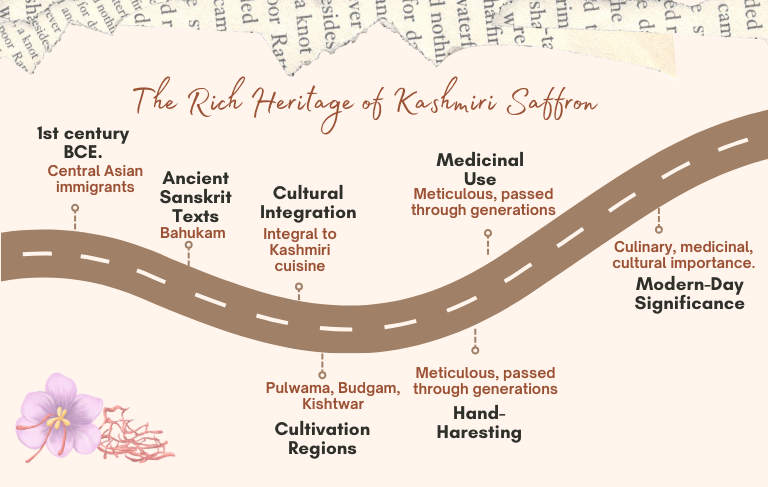
- Introduction to Kashmir: Central Asian immigrants, 1st century BCE.
- Ancient Sanskrit Texts: Mentioned as ‘bahukam’.
- Cultural Integration: Integral to Kashmiri cuisine.
- Ideal Cultivation Regions: Pulwama, Budgam, Kishtwar.
- Hand-Haresting Tradition: Meticulous, passed through generations.
- Medicinal Use: Ayurvedic applications.
- Trade Routes: Ancient trade significance.
- Modern-Day Significance: Culinary, medicinal, cultural importance.
How to Make Chilli Powder: Step-by-Step Process
Ingredients and Equipment:
- Fresh red chillies (any variety, such as Kashmiri or cayenne)
- Gloves (optional but recommended for handling hot chillies)
- Sharp knife
- Dehydrator or oven
- Blender or spice grinder
- Airtight container for storage
Step 1: Select and Prepare Chillies
- Choose Fresh Chillies: Select fresh, ripe red chillies. For a mild powder, choose chillies like Kashmiri; for a hotter powder, opt for cayenne or other spicy varieties.
- Wash and Dry: Rinse the chillies thoroughly under cold water to remove any dirt. Pat them dry with a clean towel or let them air dry completely.
Step 2: Remove Stems and Seeds
- Wear Gloves: If you’re using hot chillies, wear gloves to protect your hands from the capsaicin, which can cause irritation.
- Cut and Deseed: Use a sharp knife to remove the stems. For a less spicy powder, cut open the chillies and remove the seeds. If you want a spicier powder, you can leave the seeds in.
Step 3: Dry the Chillies
- Using a Dehydrator: Place the chillies in a single layer on the dehydrator trays. Set the dehydrator to 135°F (57°C) and dry for 6-8 hours or until the chillies are completely dry and brittle.
- Using an Oven: Preheat your oven to the lowest setting (usually around 170°F or 75°C). Place the chillies on a baking sheet in a single layer. Dry the chillies in the oven for 6-8 hours, turning them occasionally, until they are completely dry and brittle.
Step 4: Grind the Chillies
- Cool Down: Allow the dried chillies to cool down completely before grinding.
- Grind: Break the chillies into smaller pieces and place them in a blender or spice grinder. Grind the chillies until you achieve a fine powder. You may need to do this in batches, depending on the quantity of chillies.
Step 5: Sift and Store
- Sift the Powder: Use a fine mesh sieve to sift the ground chillies to remove any larger pieces or seeds.
- Store: Transfer the chilli powder to an airtight container. Store it in a cool, dark place to preserve its flavor and potency. Properly stored, the chilli powder can last for up to a year.
Health Benefits of Kashmiri Chilli Powder
Kashmiri chilli powder is known for its soft, vibrant colour. It is widely used in Indian cuisine not only for its culinary benefits but also for its many health benefits. Here are some of the health benefits of Kashmiri chilli powder:
1. High in antioxidants
Kashmiri chili powder is packed with antioxidants like vitamin C and carotenoids. These antioxidants help neutralize harmful free radicals in the body, reduce oxidative stress and reduce the risk of chronic diseases such as heart disease and cancer.2. Reduces inflammation:
The heat in Kashmiri pepper powder comes from capsaicin, which can also fight inflammation in the body. Regular consumption can help reduce inflammation and problems caused by inflammation such as arthritis.3. Strengthens Protection:
Kashmiri chili powder contains vitamin C which helps strengthen your immune system. Vitamin C helps your body produce white blood cells, the anti-inflammatory warriors that protect you from disease.4. Increases digestion
Kashmiri chili powder stimulates digestion by increasing gastric juice and enzymes. This can help improve digestion, reduce constipation and prevent constipation.5. Helps in weight loss
Capsaicin in Kashmiri pepper powder can boost metabolism and enhance fat burning. It can also help curb appetite, and when combined with a healthy diet and regular exercis6. Improves heart health
Regular consumption of Kashmiri peppers can improve heart health by reducing bad cholesterol (LDL) levels and increasing good cholesterol (HDL) levels. It also helps lower blood pressure and improves circulation.7. Pain Relief
Capsaicin has analgesic properties, which can help in providing relief from pain. Topical applications of capsaicin-containing creams are often used to alleviate muscle and joint pain.8. Improves skin health
The antioxidant properties of Kashmiri pepper powder can promote skin health by reducing signs of aging and preventing prevention of skin damage. It can also help treat acne and other skin conditions due to its antibacterial and antibacterial properties.9. Promotes eye health
The high levels of vitamin A in Kashmiri chili powder are beneficial for improving vision and preventing eye diseases such as cataracts and cataracts.10. Supports respiratory health
The anti-inflammatory, anti-viral properties of Kashmiri pepper powder can help prevent respiratory infections such as asthma, bronchitis and sinusitis It helps eliminate mucus and reduce obstruction.Where to Buy Kashmiri Chilies
- Local Indian Grocery Stores: Check Indian and South Asian grocery stores or spice markets.
- Online Retailers:
- Amazon: Variety of brands available.
- Indian Grocery Websites: Sites like iShopIndian and Patel Brothers.
- Specialty Spice Websites: Penzeys Spices, The Spice House, Burlap & Barrel.
- Farmers’ Markets: Look for vendors selling dried chilies or specialty spices.
- Specialty Food Stores: Gourmet food stores and places like Whole Foods Market.
- Direct from Producers: Small farms and spice cooperatives often sell directly online.
Recipes Using Whole Dry Kashmiri Red Chillies
1. Kashmiri Red Chilli Paste
Ingredients:
- 10-12 whole dry Kashmiri red chillies
- 1 cup warm water
- 2 tbsp vinegar
- 1 tsp salt
- 2 tbsp oil
Instructions:
- Soak Chillies: Remove stems and seeds from the chillies. Soak them in warm water for 30 minutes.
- Blend: Drain the chillies and blend them with vinegar, salt, and a little water until you get a smooth paste.
- Cook: Heat oil in a pan and sauté the paste for 5-7 minutes.
- Store: Cool and store in an airtight container in the fridge. Use as a base for curries and marinades.
2. Kashmiri Red Chilli Chicken Curry
Ingredients:
- 1 kg chicken, cut into pieces
- 8-10 whole dry Kashmiri red chillies
- 2 onions, finely chopped
- 2 tomatoes, pureed
- 2 tbsp ginger-garlic paste
- 1 cup yogurt
- 2 tsp coriander powder
- 1 tsp cumin powder
- 1 tsp garam masala
- Salt to taste
- 3 tbsp oil
Instructions:
- Soak Chillies:Soak the chillies in warm water for 30 minutes. Blend into a smooth paste.
- Marinate Chicken: Mix chicken with yogurt, salt, and half of the chilli paste. Marinate for 1 hour.
- Cook Onions: Heat oil in a pan. Sauté onions until golden brown. Add ginger-garlic paste and cook for 2 minutes.
- Add Spices:Add coriander powder, cumin powder, and remaining chilli paste. Cook for 3-4 minutes.
- Cook Chicken:Add marinated chicken and cook until it’s done. Add tomato puree and simmer for 15 minutes.
- Finish:Stir in garam masala. Serve hot with rice or naan.
Storing Kashmiri Chilli Powder
- Airtight Container: Use a glass jar to keep it fresh.
- Cool & Dark Place: Store in a dark cabinet, away from heat and sunlight.
- Avoid Moisture: Ensure the container and utensils are dry; consider using food-grade silica packets.
- Refrigeration: Optional for long-term storage; keep in an airtight container.
- Labeling: Mark with purchase date; use within 6 months to a year.
- Check Regularly: Inspect for spoilage signs like off-smell or clumping.